Tags
A list of entries tagged with cycle safety
Local Crash Map
In order to raise awareness of vulnerable road users and manage large-scale, just-in-time deliveries of larger steel frame elements and in-situ concrete deliveries to site in a safe manner, the site team have developed an innovative ‘crash map’. This map draws on information captured from Transport Scotland’s database, to alert and highlight the numerous major traffic accident black-spots leading into…
Promoting TFL’s Online Cycle Skills Course to the Workforce
Since the pandemic started the project team have taken measures to encourage the use of bicycle to travel around London, therefore having less site works using public transport. On a daily basis around 50 site workers use the projects bike store, with a large number of the workforce using Santander Cycles. Therefore, to promote safety they have been promoting TFL’s…
Sponsorship of Road Safety Scheme
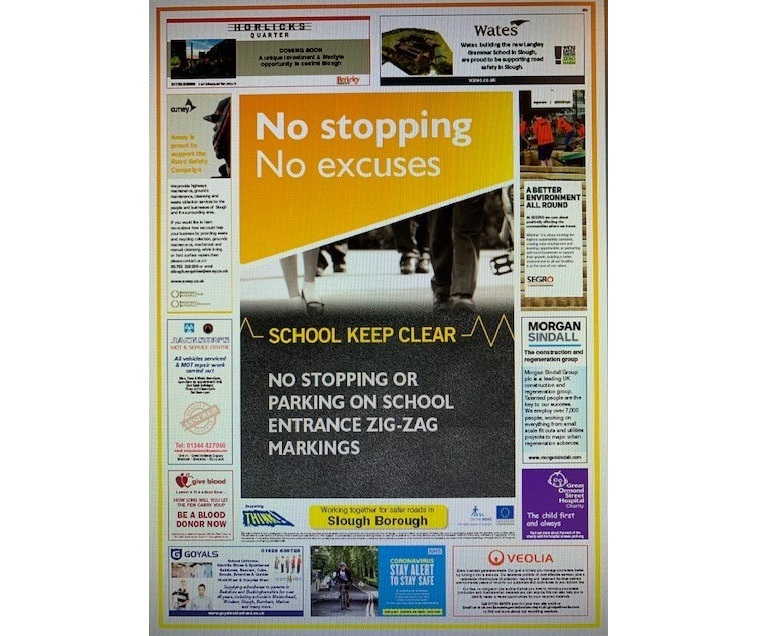
The project team at Langley Grammar School have sponsored the ‘Outside your school’ Road Safety Campaign in the Slough area. The funding pays for: Campaign posters, materials and communications. Pages on multiple campaign websites. Multiple Twitter campaign announcements. Multiple Facebook campaign announcements. The campaign aims to combat the prevalence of dangerous and inappropriate driver behaviour in the vicinity of schools,…
Considering Disabled Cyclists and Bespoke Cycles at Roadworks
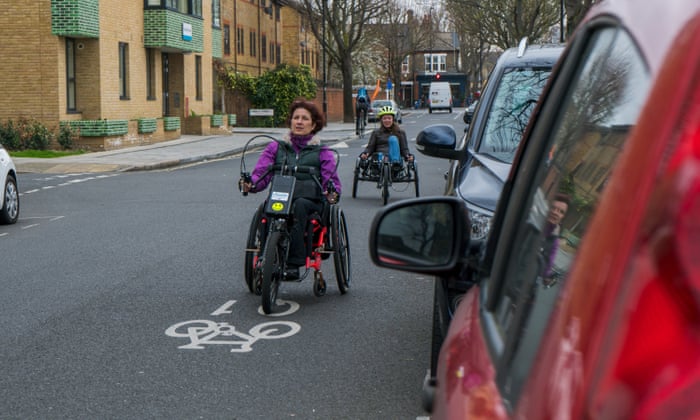
Londoners are facing the same health challenges as people across the UK with ‘lifestyle’ diseases such as diabetes, obesity and heart disease on the rise. Such conditions can take a toll on health and life expectancy. A leading cause of illness and early death among Londoners today is physical inactivity. Transport can play a significant role in enabling people to…
Road User Collaboration
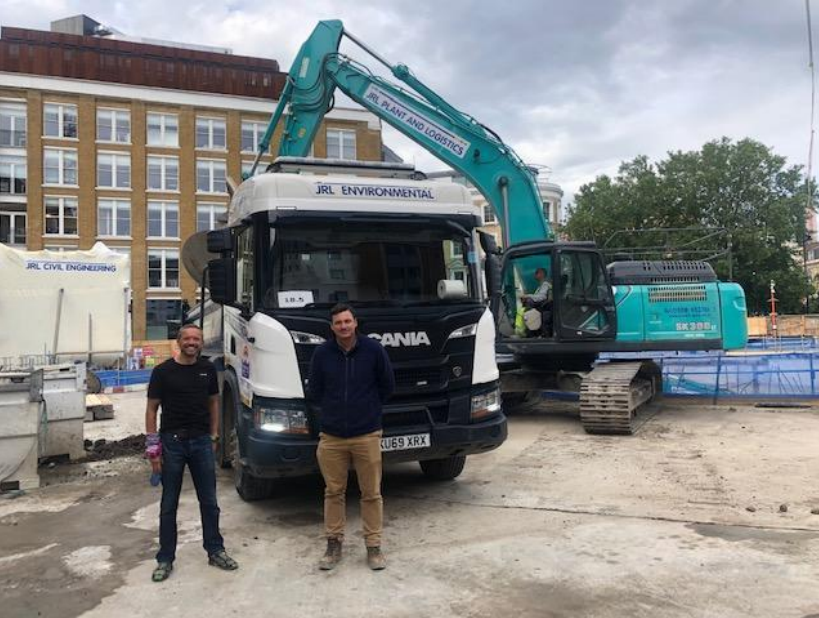
The project team recently had a member of the community, a London cyclist that travels past the Hackney site on a regular basis, travel in one of their HGV’s around London and the surrounding areas to show how they help to keep other road users safe. The cyclist commented: “This morning I have had the experience of sitting in the…
Crushing Concrete on Site
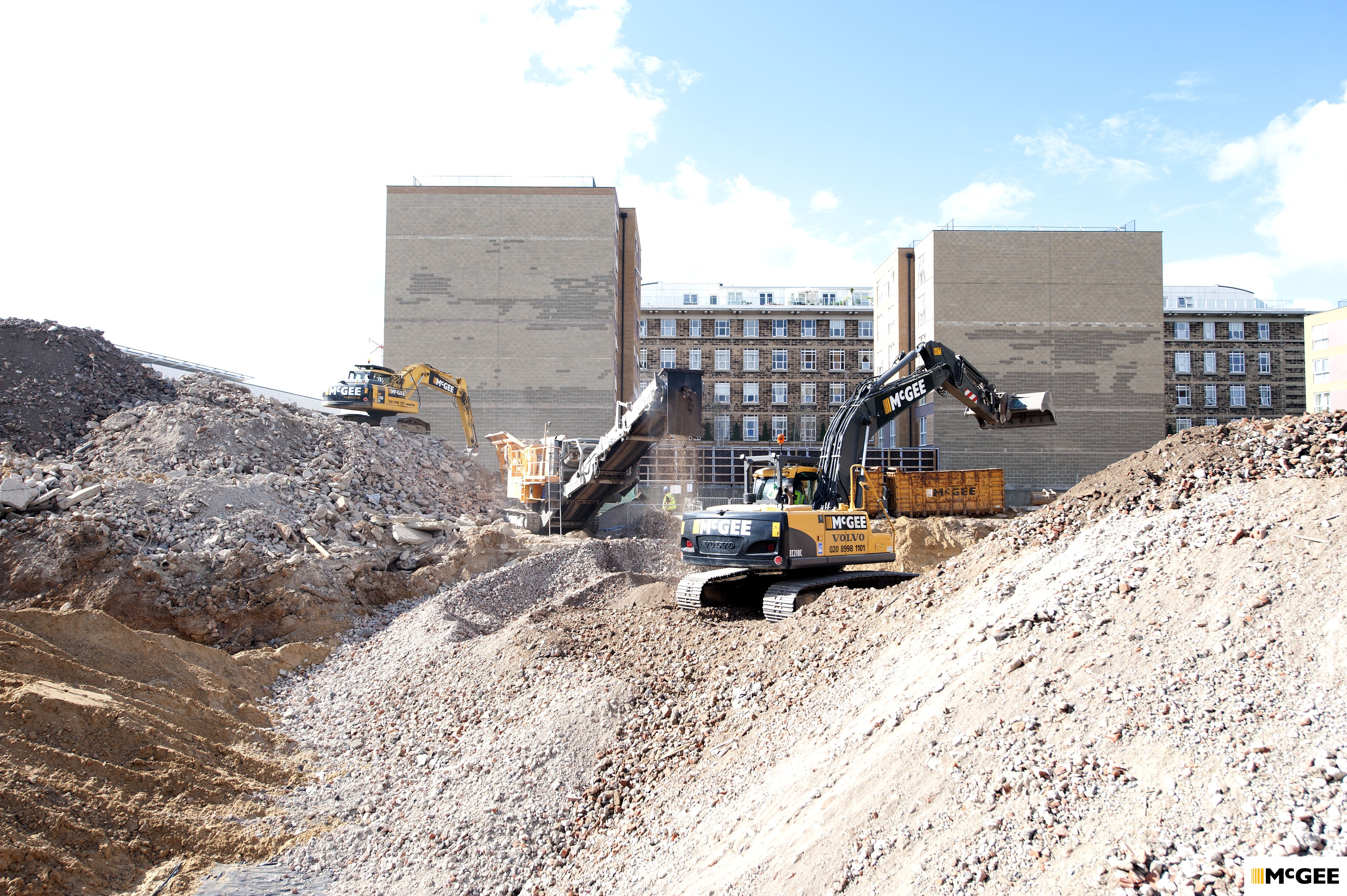
London is in breach of European legal limits for Nitrogen Dioxide (NO2), and many areas exceed the safe limits for Particulate Matter (PM) set by the World Health Organisation (WHO). Pollution is a contributing factor in shortening the life expectancy of Londoners and disproportionately impacts the most vulnerable. Approximately 9,500 deaths occur each year due to the illnesses caused by…
Cargo Bike Loading Bay Collaboration
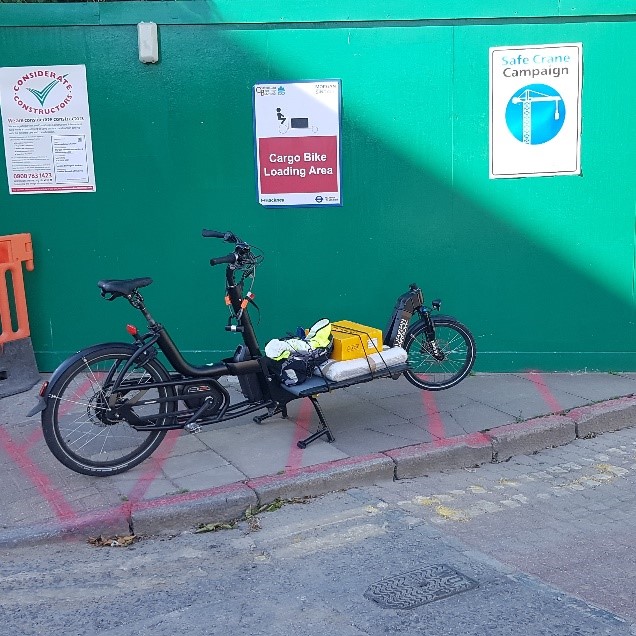
The Mayor, through TfL, is working with London boroughs, businesses and the freight and servicing industry to reduce the adverse impacts of freight and service vehicles on the street network. The aims are to reduce the number of lorries and vans entering central London in the morning peak by 10 per cent by 2026 and incorporating cargo bikes can help…
Introducing Cargo Bikes into the Construction Industry
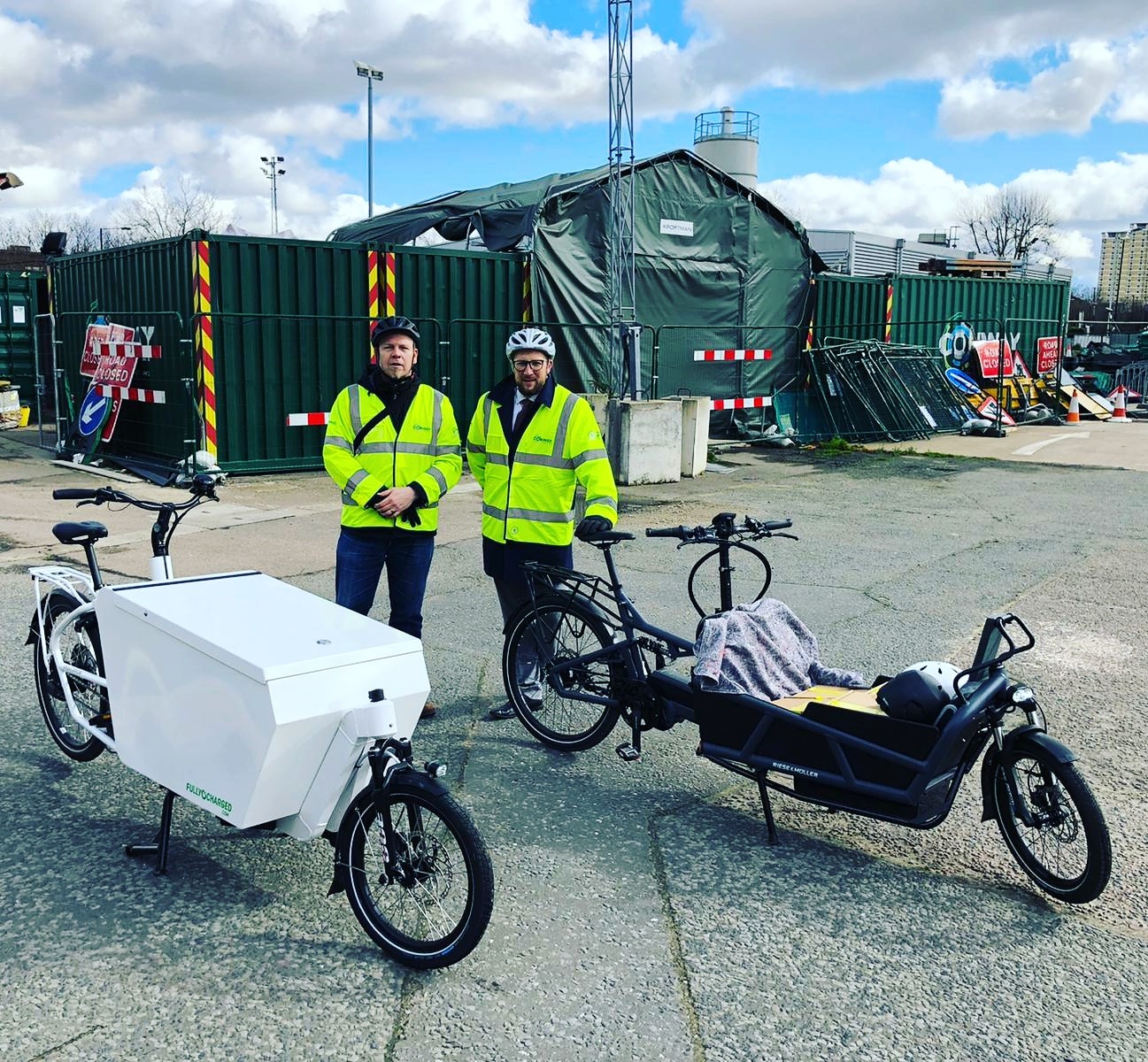
Cargo bikes are bicycles that have been specifically designed to carry goods of various sizes and weights. The bicycles come in a variety of forms between two, three and four wheeled custom-built frames. Many bikes are now fitted with electric pedal assist motors to help riders manage their daily activities. The Mayor, through TfL, is working with London boroughs, businesses…
Considering Alternative Cycle Routes During Works
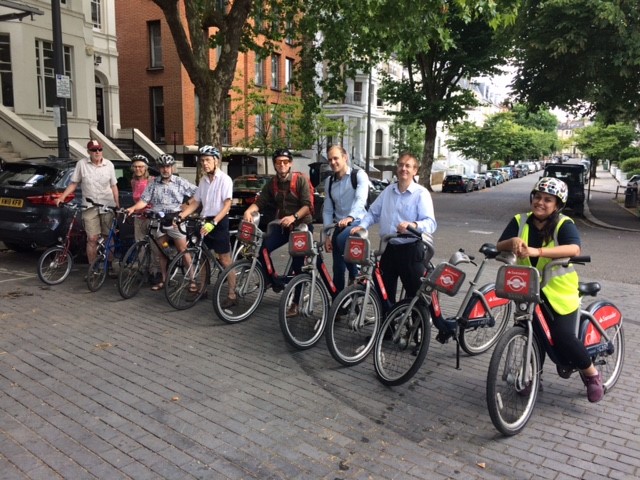
Cycling is a fundamental element towards attaining a healthier lifestyle and benefits from the negative pollution normally associated with motor vehicles. However, there are numerous barriers to cycling especially during roadworks. For many people, lack of confidence and feelings of vulnerability are common reasons for not cycling. To encourage more cycling, Transport for London (TfL) is constructing more cycle networks….
Experiencing a Cyclist’s Perspective Using a 360 Degree Camera

The Mayor of London’s Transport Strategy, published in 2018, sets out a vision for a healthier, greener and more prosperous city. The strategy makes clear that a new type of thinking is required to increase active, efficient and sustainable travel to help achieve this vision for London. The strategy uses the ‘Healthy Streets’ approach which makes health and personal experience…
Using Signal Timings to Reduce HGV Impacts
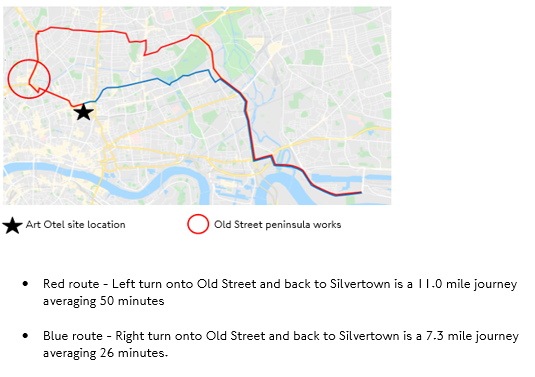
Transport for London (TfL), London Borough of Hackney and JRL collaborated to reduce the negative impacts caused by challenging road layouts and the associated lengthy diversions for HGVs. Lorries and vans play a pivotal part in London’s economy and are a necessary part of construction. Since 2010, the movements of goods vehicles have increased by approximately 20%, which is negatively…
Concrete Pour Collaboration
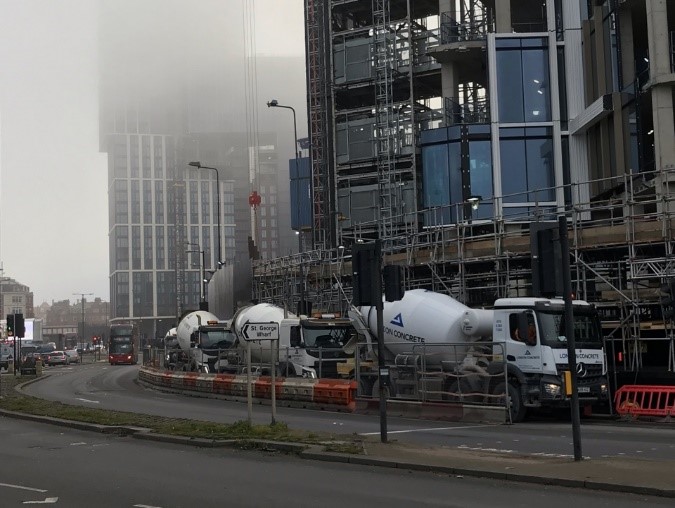
This major concrete pour was successfully completed over the weekend of 29th November 2019 with minimal disruption to the network, no reported safety issues and 16 hours ahead of schedule. 533 lorries delivered 4000m3 of concrete non-stop over 31 hours from 7pm on Friday until 2am on Sunday. TfL’s Network Management Team worked meticulously with main contractor Multiplex to: Agree…