Spotlight on... Spotlight on… aims to raise awareness of the health risks involved in construction work, specifically those relating to occupational cancers within the sector...
Examples of best practice
The Scheme aims to improve the image of construction through sharing best practice with the industry. Below are a number of best practice examples that have been witnessed by the Scheme’s Monitors on their visits or submitted directly by registered sites, companies and suppliers:
Rolling Temporary Roof Cover

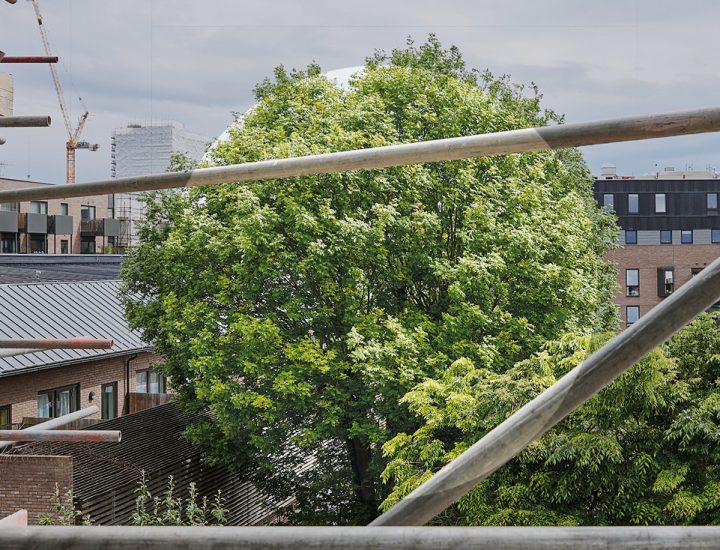
A scaffolded roof covering which is movable on rolling wheels, covering 60 metres of roofing at a time was used on this project to allow roof removal and restoration. This was made up of a lightweight scaffolding system with a waterproof covering pulled over the top. This system minimised risk of delays which may have been caused due to changing…
UV Detecting Sun Patches
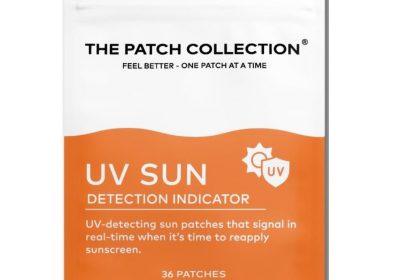
This contractor has provided UV sun detection indicators which comprise of small patches that signal in real time when its time to reapply sun screen. The patches are really easy to apply and change colour when the sun screen fades and turn purple when its time to reapply. This is a simple visual aid taking out guess work to ensure…
Controlling Dust

Our aim was to reduce the volume of harmful wood dust polluting the atmosphere in the area where our carpenters are working to a level as low as ‘reasonably practical’. Wood dust has a Workplace Exposure Limit (WEL) of 5mg/m3 and can cause asthma, nasal cancer, emphysema, etc., when inhaled in large quantities for prolonged periods. To reduce the risk,…
Construction Workers Reminded to Stay Sun Safe on Site
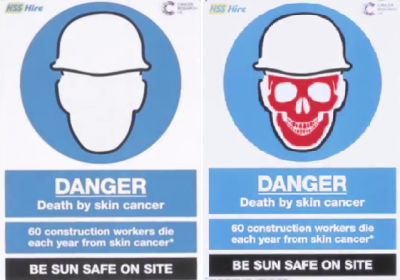
HSS Hire is raising attention and encouraging construction workers to protect themselves against the harmful effects of long term sun exposure with a new poster campaign. Supported by Cancer Research UK and in conjunction with Sir Robert McAlpine, a site in London is displaying UV ray reactive posters that change appearance after exposure to the sun. The poster which initially…
Skin Cancer Awareness

Rates of skin cancer are higher than any other cancer in the UK and it is estimated that 37 people a day in the UK are diagnosed with skin cancer. At Knightbuild Ltd, a skin cancer awareness campaign has been implemented and introduced across all our projects to educate our workforce about the associated dangers and also to introduce control…
On Site Breathe Easy Training
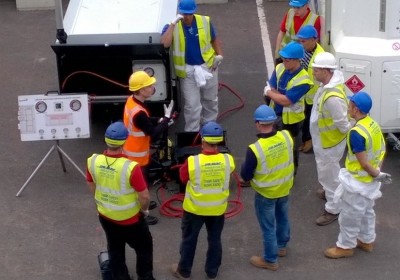
To ensure that the Asbestos removal contract could operate safely, ‘Breathe Easy’ kit training was organised on site, for all nine operatives. As asbestos removal is a high risk activity it was essential that all staff were fully up to speed with the risks and how to safely deal with asbestos related work, before going to work in the enclosures. This…
Protection from the Sun on Site using a UV Helmet Sticker
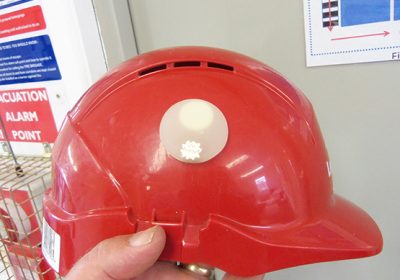
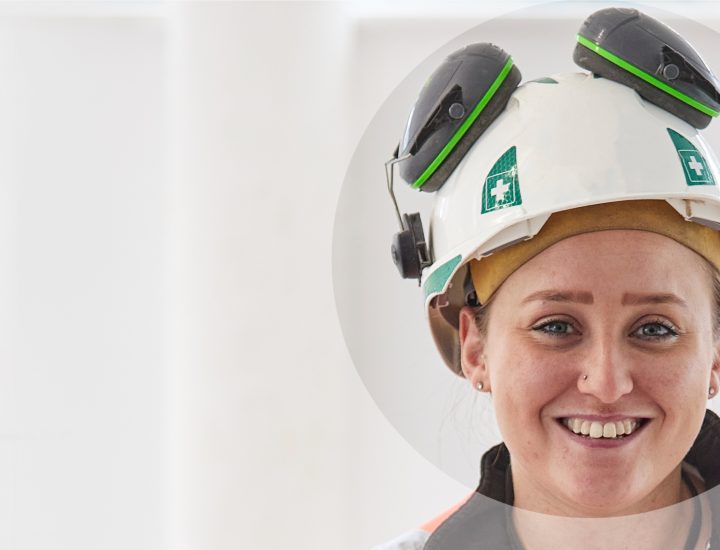
Construction work can pose a number of health and safety risks. A significant proportion of construction work is performed outside, with operatives exposed to different types of weather conditions. During the summer months, the workforce needs to be aware of both heat and sun exposure, remain protected from direct sunlight and ensure they keep hydrated. Below is an example of how…
Breathe Freely: Preventing Lung Disease in Construction Workers

Occupational health risks need to be addressed in order to care for the health and wellbeing of the workforce. It is no secret that construction workers are at a high risk of contracting lung disease from the work that they do. In 2015, approximately 3,500 will die from cancer caused by past exposures to asbestos, 500 more from silica dust,…
Emergency Asbestos Kit
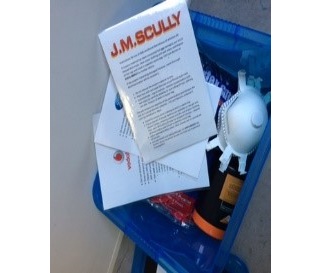
On site, different clients have slightly different procedures (albeit all based around the HSE EM1 guidance leaflet). We find that this can lead to confusion when operatives migrate to sites with different requirements. Though inductions are site specific and include this information – it wasn’t always easy to remember who to call or how to react in an emergency situation….
IOSH’s No Time To Lose: Silica Dust Mythbuster Quiz
IOSH’s No Time To Lose campaign launched in November 2014, bringing together industry leaders, cancer charities, MP’s and professional bodies to raise awareness and share experiences of preventing occupational cancer. They have created a Mythbusters Quiz detailing the facts on the dangers of exposure to silica dust. The quiz includes the answers to: Where silica dust can be found and the…
Macmillan World’s Biggest Coffee Morning

The World’s Biggest Coffee Morning is Macmillan Cancer Support’s biggest charity fundraising event. This event focuses on getting together to have a chat and a cup of tea and inviting people to make a donation to Macmillan Cancer Support. To support Macmillan Coffee Morning on your site, you could do the following: Arrange a Macmillan Coffee Morning and encourage all of your operatives…
World Cancer Day
World Cancer Day is coordinated annually by the Union for International Cancer Control. The week promotes the research for curing as well as preventing the disease, upgrading the provided services to the patients, the sensitisation of the common opinion and the mobilisation of the global community against cancer. To support Cancer Talk Week on your site, you could do the following: Hold a…
Skcin: Sun Safety in the Workplace
Skcin are a skin cancer charity whose primary objectives are to raise awareness of skin cancer and promote the importance of sun safety and early detection through national educational initiatives and targeted campaigns. All of the funds they receive into the charity via corporate support and the generous donations made by fundraisers and members of the public, are ploughed back into…
Dust Canary

This contractor is using the Dust Canary which is a lightweight wearable device for industrial workers, protecting them from respirable dust. It provides real-time monitoring, alarms for high dust levels, and records exposure data. With Bluetooth connectivity and a mobile app, it offers easy data transfer, analysis, and reporting. Compact, convenient, and weighing under 150g, it ensures worker safety without…
Hollow Drill Bits
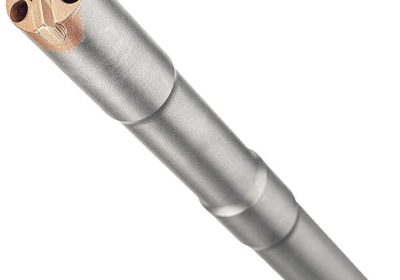
Several drill manufacturers including Dewalt, Hilti and Milwaukee now provide hollow drill bits which allow the dust created when drilling holes to be extracted via the bit when drilling. The drill bits have an on-board dust extractor port that can be connected to a vacuum hose. Since dust is extracted as the hole is drilled, there is less risk if…
Spotlight on… posters
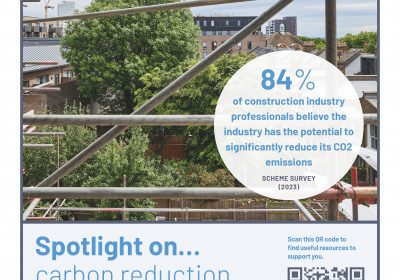
Spotlight on… posters have been designed for general display in and around site welfare facilities. The Scheme has developed a collection of A3 posters from the series of ‘Spotlight on…’ learning toolkits. This resource has proven valuable for display on site and raising awareness amongst the workforce and visitors. To purchase these products, click here. To download a free electronic…
HSE Dust Kills Campaign

The Health and Safety Executive (HSE) are committed to improving the health of workers in the construction industry and will be conducting a month long focus this June on respiratory risks and occupational lung disease. Sites of all types and sizes will be visited to check that appropriate measures are in place to protect workers’ lung health from exposure to…
Skin Awareness Sessions
Every day we are potentially exposed to contaminants and conditions that can be harmful to your skin (both inside and outside of the work environment). Many in the construction industry will spend most of their working day outside in all types of weather. The A465 Head of the Valleys Section 2 Project recently ran an informative and engaging Skin Care…
Dirt and Dust Guidance
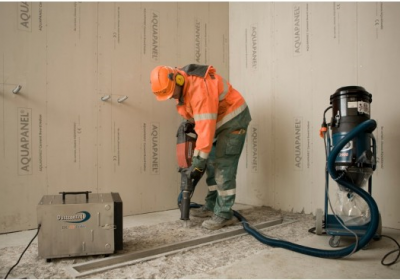
Dirt and Dust – What is the problem? Dirt and dust from construction work regularly impacts on members of the public, with dust in the summer months and mud in the winter, and at CCS they are regular causes for complaints we receive from the public. To support CCS-registered activity in tackling this issue and minimising the impact of dirt…
Sprinkler System to Control Dust
Construction dust can cause lung cancer, asthma, Chronic Obstructive Pulmonary Disease (COPD) and silicosis to name a few. Therefore workers are the most exposed to developing these diseases, because many common construction tasks can create a large amount of dust. Especially waste disposal and recycling processes can be responsible for this, and have adverse impact on primarily the workers’ health, but…
Portable Dust Extractor Air Mover
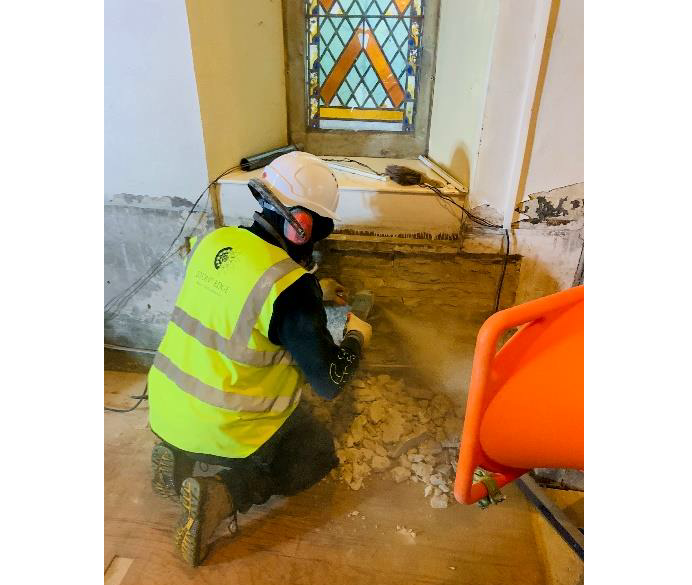
The subcontractor have utilised a dust and fume risk management system called Hazpod, whilst conducting extensive internal and external renovation works on a restoration project. The work conducted would unavoidably produce large quantities of dust as the original lime plasters and external stone sections had to be removed and replaced. The SEN management team were keen to find a highly…
PowerCap Infinity Respiratory Protection
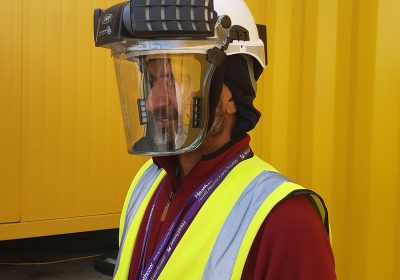
Dust in the workplace is a significant issue. Looking at the HSE figures (2017) we can see that 18,000 new cases of work related respiratory disease were diagnosed and significant proportion of these were a result of exposure to silica. The Ferrovial Construction KAD Substructure project has required and requires a number of operatives to perform activities where dust is…
Onsite UV Scanning for Occupational Cancer
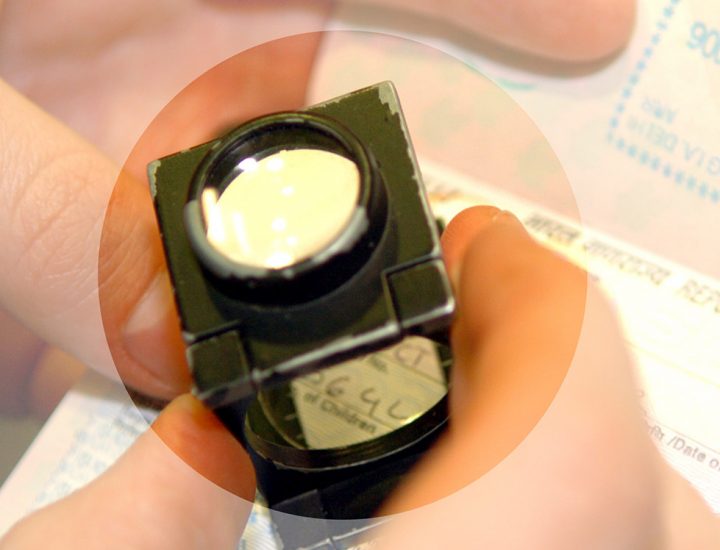
Employees working on the M1 J13-J16 Smart Motorway T3 project are able to have themselves checked for long term sun damage and cancer. These checks are conducted by an onsite nurse using a UV scanner. Where necessary, employees are also given guidance about whether they need to seek further advice. The process has identified a significant number of people who…
Protective Coveralls for Concrete Works
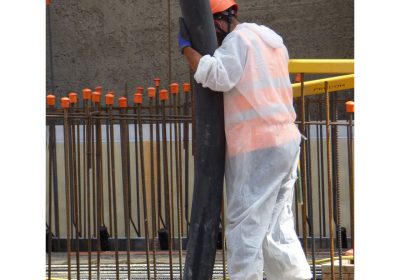
The BYUK Cavendish III Project supplies all workers involved in Concrete Production with disposable coveralls during Concrete Production Tasks, we do this because: Silica dust can enter within the body by inhalation (respiratory tracts) deep into the lungs and effects diseases such as: Respiratory failure due to fibrosis (silicosis) and Bronco-pulmonary cancer. Once concrete on clothes dries it turns to…